Omega-3 EPA & DHA
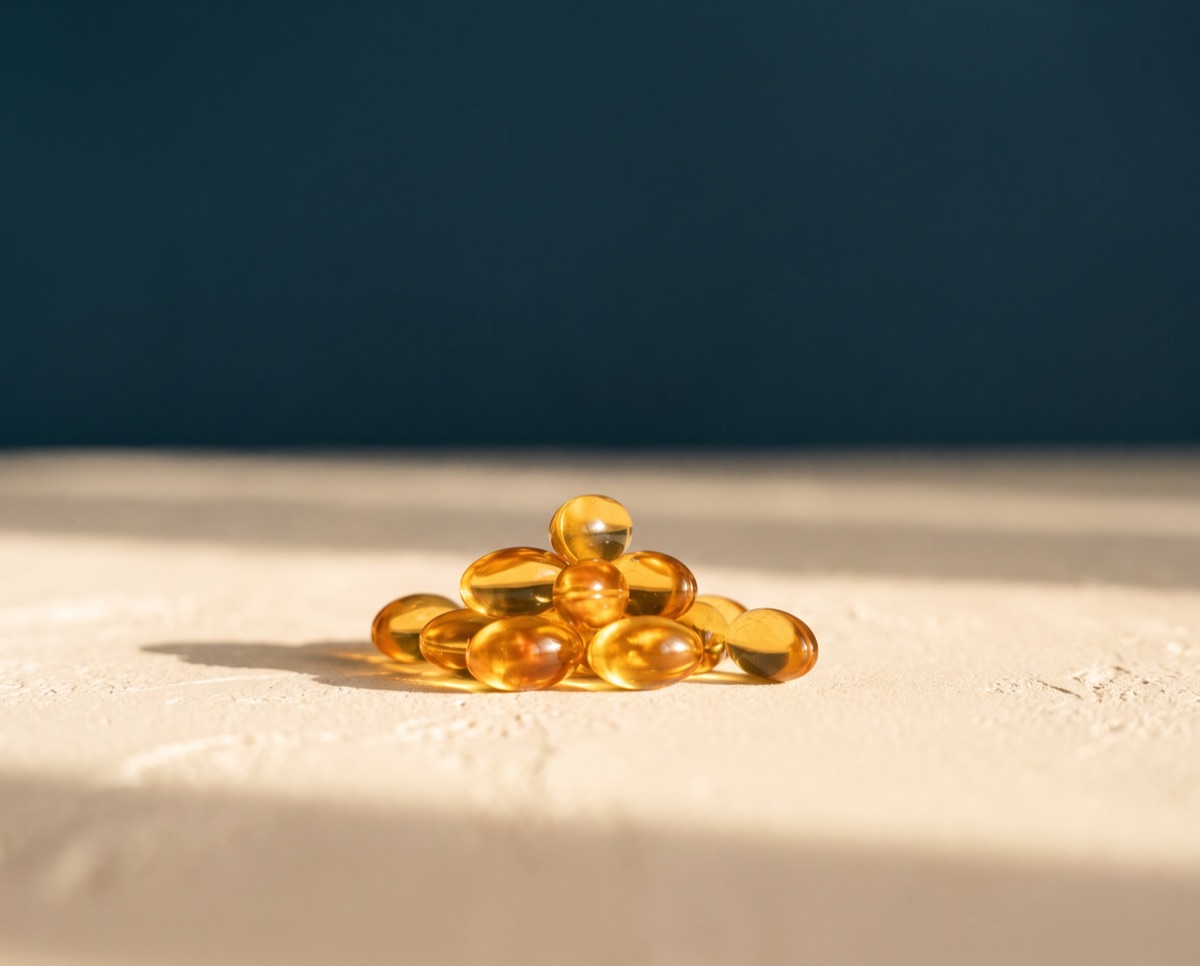
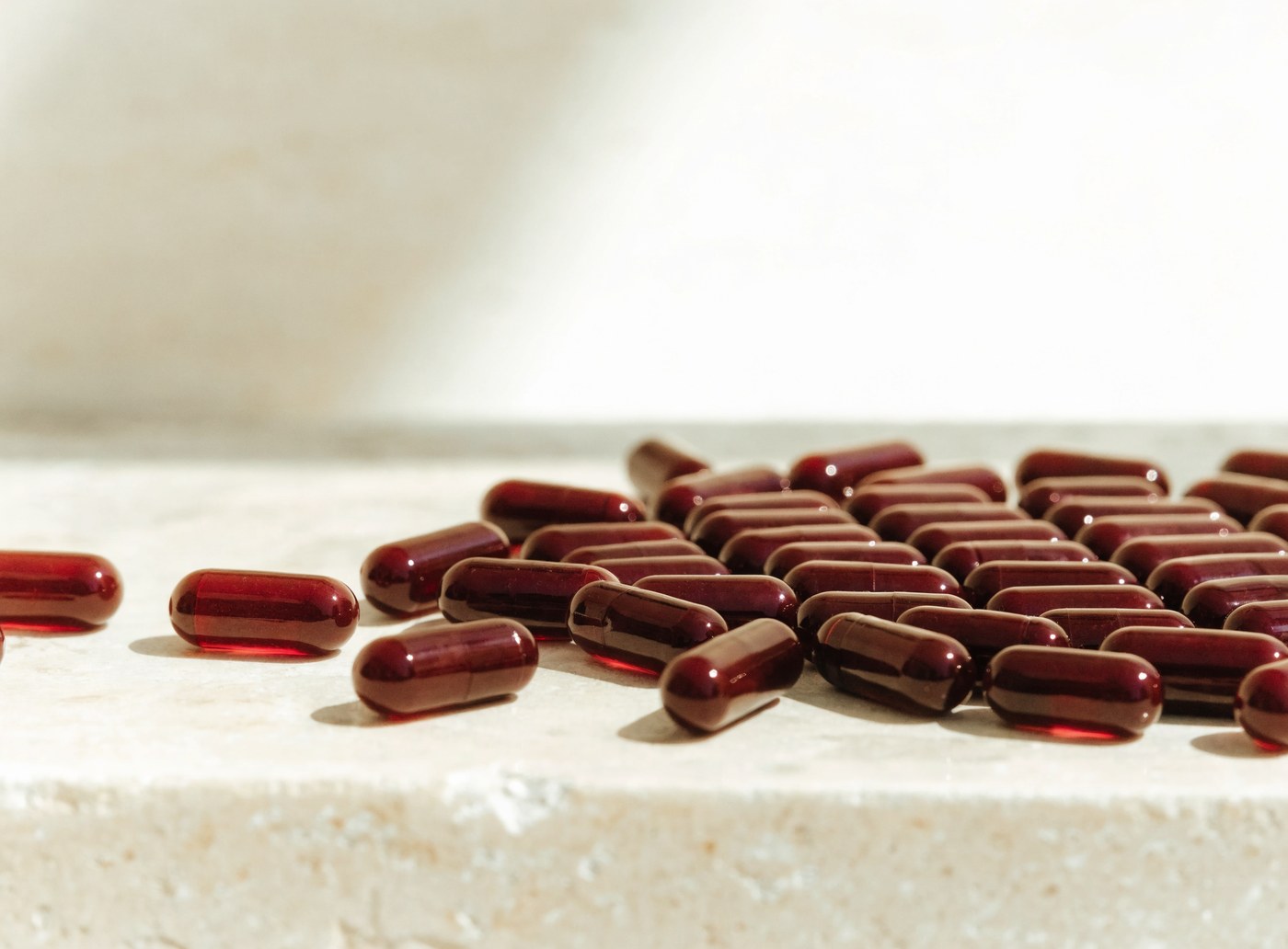
EPA 180mg and DHA 120mg per serving. The one most women who train are genuinely short of, and the marker that shifts most visibly when we re-test at twelve weeks.
Pairs with your omega panelHome / Supplements
Step 03 of the methodMost supplement shelves are built to sell you twelve things. Mine is built to sell you nought to three, the ones your test showed you were actually short of, at doses that do something, taken for long enough to matter.
Not because supplements don't work, some of them work very well, but because almost nobody is taking the right one, at the right dose, for the right reason. A multivitamin bought on a hunch is an expensive way to feel like you're doing something.
So the order here is deliberate: test, then eat, and only then supplement. Everything below exists because a blood result or a training demand asked for it, never because it photographs well.
A handful of products that earn their place, not a catalogue.
Your protocol is written from your results, so you buy what you need and skip what you don't.
We re-test at twelve weeks. If a supplement isn't moving your markers, we stop paying for it.
Each one is here for a specific reason, and each one has a marker or a training demand behind it. If your results don't call for it, don't buy it.

EPA 180mg and DHA 120mg per serving. The one most women who train are genuinely short of, and the marker that shifts most visibly when we re-test at twelve weeks.
Pairs with your omega panel
Between October and April there is not enough UK sunlight to make what you need, whatever you eat. Supports bone strength, immune function and muscle through the winter.
Pairs with your vitamin D result
The gentle, well-absorbed form, not the one that sends you to the bathroom. Supports muscle function, nervous system recovery and the sleep that hard training depends on.
For poor sleep and recovery
The most studied performance supplement there is, and the evidence in women is good. Three to five grams daily, no loading phase, and no, it will not make you bulky.
For lifting and repeat efforts
A recovery and gut-support option that has earned a following among athletes training at volume. Mixes into a shake or porridge, and easiest to judge over a full block.
For heavy training weeks
Forty billion CFU with prebiotics. Worth a look when digestion is the thing getting in the way of eating enough to train well, rather than as a daily habit for everyone.
For digestion and consistency
Curcumin, the active compound in turmeric, in a form built for absorption. Taken by plenty of athletes for joint comfort through heavy blocks, though the evidence is mixed.
For joint comfort in hard blocks
A precursor your body converts to NAD+, the coenzyme every cell uses to make energy and repair itself, and which falls with age. Genuinely optional: the human evidence is early.
Optional, and genuinely so
The polyphenol from grape skin that started the longevity conversation, and the usual partner to NMN. Poorly absorbed alone, so the form and the dose matter more than usual.
Taken with NMN and a fatty meal
Grass-fed hydrolysed peptides. Popular for skin, hair, nails and connective tissue, and worth a look if you are training hard through your forties and fifties.
For tendons, skin and hair
Concentrated sulforaphane, which sprouts carry at many times the level of the mature vegetable. One of the better-studied plant compounds, and easier than a punnet a day.
A daily shot, taken with food
Pressed bilberry, nothing added. Dense in anthocyanins, the pigments behind the research on blood flow, eye health and recovery. A whole food rather than an extract.
Good through a heavy blockEvery product above is on the shelf. Pricing is confirmed at launch, and nothing here is worth buying without a result behind it.
The range is short on purpose, and so is the list I write for you. A fifth of the protocols I write contain nothing at all.
Indicative of the protocols I write, not a published dataset. The point is the shape rather than the precise figures: most people leave with one or two things, and a fifth leave with none at all.
The quickest way to judge a coach is whether they ever point you somewhere they make nothing from. These are the brands I actually use and suggest, chosen for short ingredient lists and third-party testing.
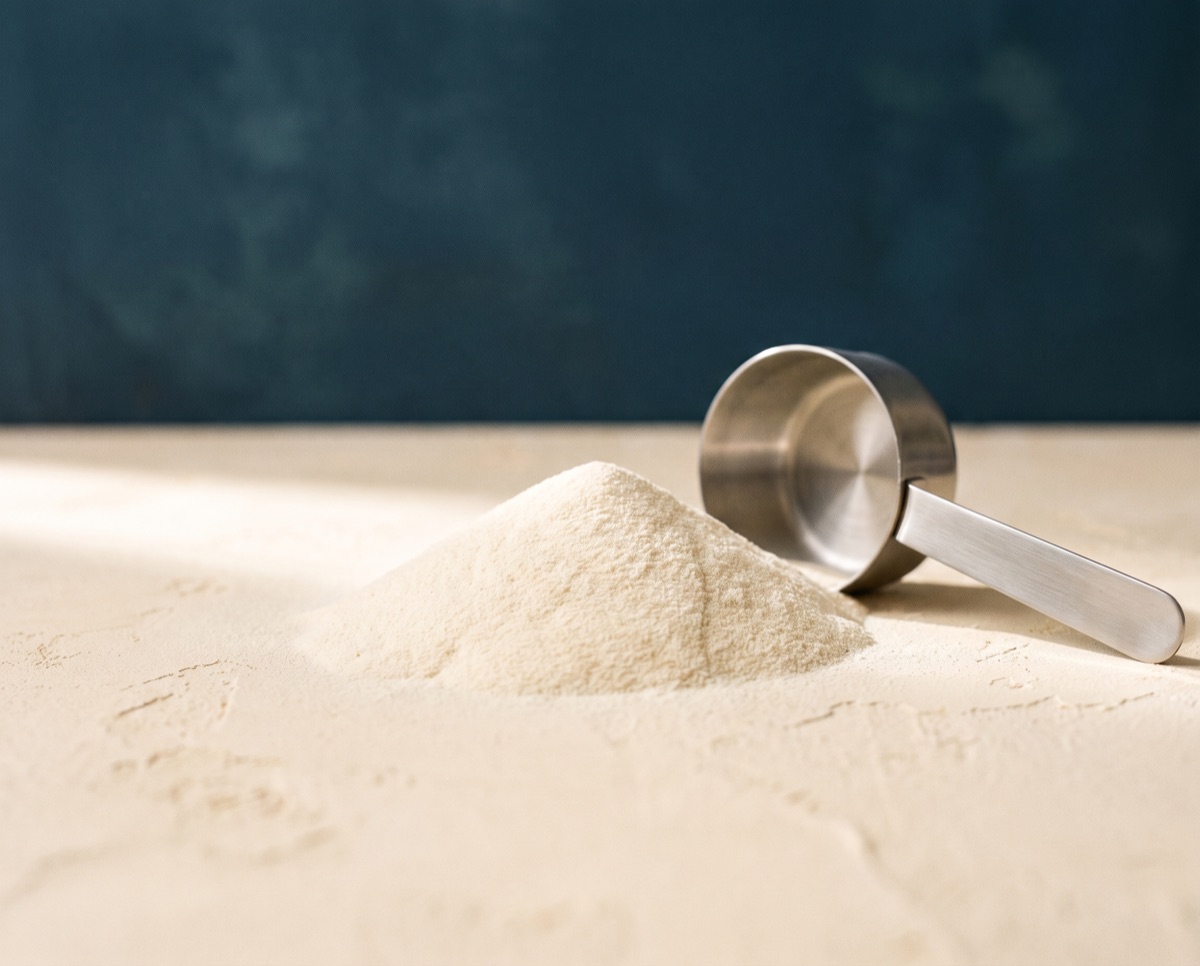
A whey isolate with a label you can read in one breath: protein, cocoa or vanilla, stevia, salt. No proprietary blend, no gums, no artificial colours, and the amino profile printed rather than implied.
Why the short list matters. Most of what pads out a cheap protein powder is there for texture and shelf life rather than for you. Thickeners such as carrageenan and the gums, and the sugar alcohols used to sweeten without calories, are the usual suspects behind the bloating people blame on whey itself. Sugar alcohols in particular are poorly absorbed by design — that is how they avoid the calories — and what is not absorbed is fermented in the colon, which is where the gas comes from.
Being fair about it. “Destroys your gut” overstates the evidence. For most people these additives are a comfort problem rather than a damage problem, and the research on emulsifiers and the gut barrier is largely in animals and cell models so far. But if a product makes you uncomfortable and a cleaner one does not, that is your answer without needing a study.
What to check on any tub. Protein per 100g rather than per scoop, since scoop sizes are chosen to flatter. Isolate over concentrate if lactose bothers you. And a third-party testing mark if you compete under anti-doping rules.
Single-estate oil with the harvest date and the producer on the bottle, in dark glass, from growers paid properly. It is the everyday fat I would rather people spent money on than almost any supplement.
The date is the whole thing. Olive oil is a fruit juice, and its polyphenols decline from the moment it is pressed. A best-before date tells you when a warehouse expects it to go rancid; a harvest date tells you how much of what you are paying for is still in there. Anything more than about a year past harvest has lost a good deal of it.
Why polyphenols, not fat. The monounsaturated fat is cheap and unremarkable; you can get oleic acid from a supermarket bottle. The compounds that carry the evidence — oleocanthal, hydroxytyrosol and their relatives — sit in the minor fraction, and the EU permits a health claim only above a real threshold of them. Plenty of oils sold as extra virgin never reach it.
The test you can run at home. A good oil catches at the back of the throat and may make you cough. That is oleocanthal acting on a receptor in the throat, and it tracks the polyphenol content closely enough to judge a bottle by. The full piece →
Free-form essential amino acids in tablet form, in the ratio the body uses to build protein. Genuinely useful in a narrow set of situations, and unnecessary in most.
What free-form means. The aminos arrive already separated rather than bound in a protein that has to be digested first, so they reach the bloodstream quickly and need very little digestive work. That is the entire proposition, and it is a real one.
Where it earns its place. Around training when food sits badly, during illness or appetite loss, for older clients struggling to reach a protein target, and where a gut condition makes whole protein hard work. In those cases it does something whey does not.
Where it does not. If you eat enough protein and digest it fine, this is an expensive way to buy amino acids you already have. Food first is not a slogan here, it is the cheaper answer. And be sceptical of the “99% utilisation” figures in the marketing — they rest on a particular method of calculation that is not the consensus one.
Sea salt harvested by evaporation from the Sea of Cortez, unrefined, so the trace minerals that come with the sodium are still in it. What I use, and what I suggest for anyone who sweats heavily.
Sodium is the point; the rest is a bonus. Sweat is not water. Sodium concentration varies roughly tenfold between people, and replacing volume without replacing sodium is how you end up feeling worse after drinking plenty. If you finish a hard session with white marks on a dark top, this matters to you more than most.
Honest about the minerals. Unrefined salt does contain magnesium, potassium and trace elements that refined table salt has had stripped out. The quantities are small, and anyone claiming a salt will meet your magnesium needs is selling something. It is a better product; it is not a supplement.
Who should not increase salt. If you have high blood pressure, heart failure or kidney disease, or take medication affecting fluid balance, this is a conversation for your GP rather than a coach.
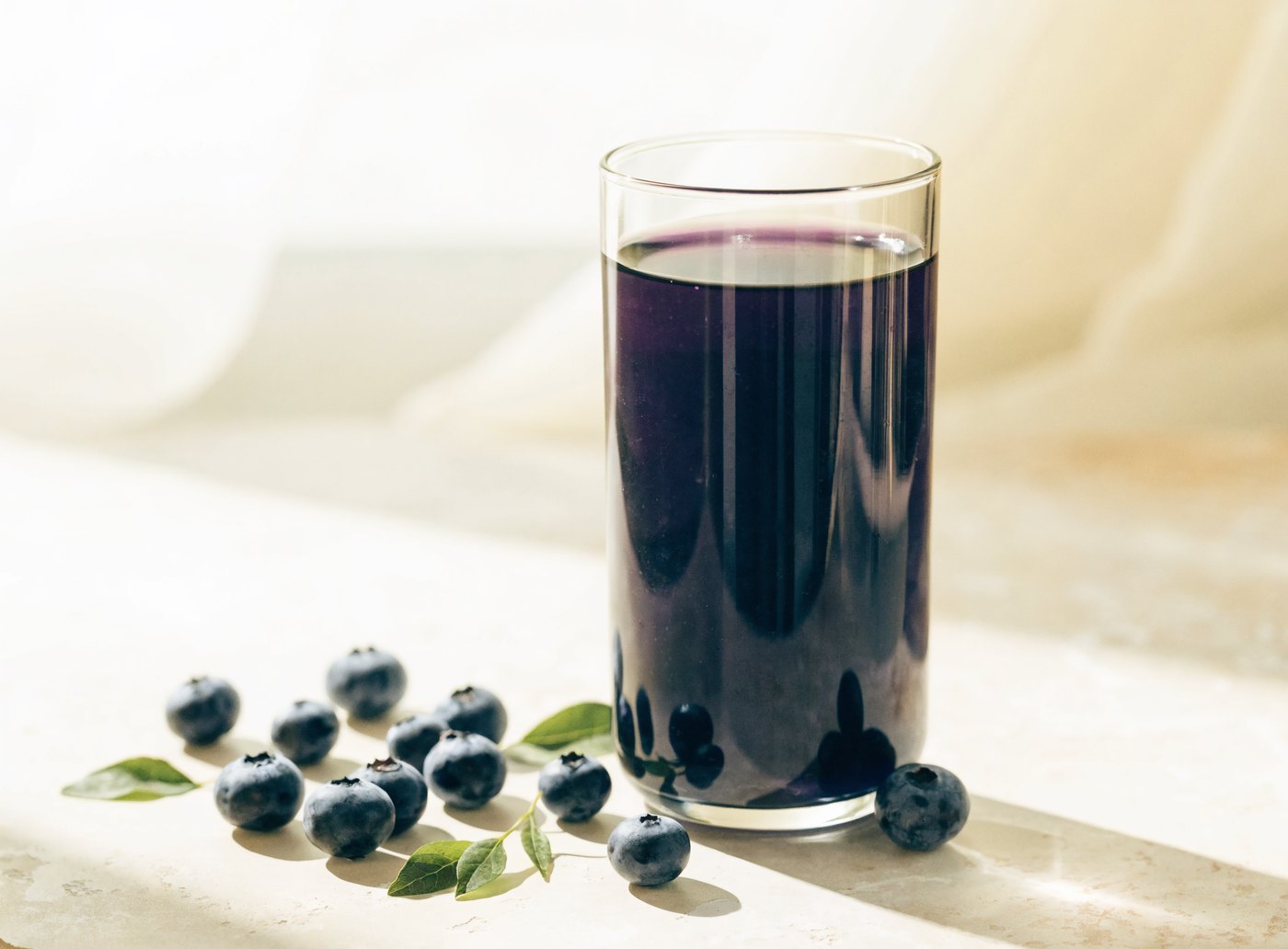
Concentrated beetroot juice with the nitrate content stated on the bottle. The standardised dose is the reason to buy this rather than beetroot in any other form.
The mechanism. Dietary nitrate is reduced to nitrite by bacteria on the tongue, and then to nitric oxide, which widens blood vessels and appears to lower the oxygen cost of submaximal exercise. It is among the better-supported ergogenic aids after caffeine and creatine, particularly for efforts in the two-to-thirty-minute range.
Why the dose being printed matters. Nitrate content in ordinary beetroot juice varies wildly with the crop and the processing, so “drink beetroot juice” is not a protocol. The trials use around 400–800 mg of nitrate, taken two to three hours before the effort, and often for several days beforehand rather than as a one-off.
Two things that undo it. Antibacterial mouthwash kills the bacteria that make the first conversion, and so removes most of the effect. And highly trained endurance athletes tend to respond less than recreational ones, which is an inconvenient but consistent finding.
No affiliate links, no commission. If you compete under anti-doping rules, look for batch-tested products and check them against your governing body’s requirements.
The range is produced and fulfilled by an established supplement manufacturer in cGMP-certified facilities, then dispatched directly to you under my label. No warehouse of stock in my spare room, and no markup for the privilege.
Which means I can be honest with you about what to take. I have no crates to shift, so there is no reason to sell you a fourth bottle you don't need.
Supplements are the third step, never the first. Here is where this page sits in the rest of it.
Your food does the heavy lifting: meals, timing and portions built around your training.
Coaching →We close the gaps food realistically can't, targeted, and no more than that.
Food supplements are not a substitute for a varied diet or a healthy lifestyle. Nothing on this page is intended to diagnose, treat, cure or prevent any disease.
Do not exceed the stated dose. Speak to your GP or pharmacist before starting a supplement if you are pregnant or breastfeeding, taking prescribed medication, or managing a diagnosed condition, iron in particular should only be taken on the back of a blood result. Keep out of reach of children. Read the full health disclaimer →
Book a free discovery call. We'll look at what you're already taking, and I'll happily tell you what to stop.
A simple, evidence-based system for women over forty who train, recover and race. No guesswork, no overlap, and nothing taken on a day it does nothing for you.
The base everything else sits on. Taken every day whether you train or not, because the things it covers — bone, recovery capacity, the winter vitamin D gap — do not take days off.
Premium tub, then refills It lives on the kitchen counter and gets used every day, so the tub is worth making good — and after that you refill it rather than buying another.
Added on the days you actually train. Supports endurance, hydration and focus during the session rather than after it, so the work you put in is work your body can use.
Stick sachets One goes in the gym bag or straight into a bottle. No scoop, no scales, nothing to measure at the door.
For the sessions that take something out of you. Muscle repair, glycogen back in, and the fluid and salt you sweated out — the difference between training again tomorrow and needing three days.
Tub or pouch The serving is larger than the others, so it comes in a size that makes sense to scoop from.
Individual sachets for the race bag. Energy, hydration and focus for the day itself, in single doses you can carry, so nothing is measured out at six in the morning in a car park.
Individual sachets Single doses for the race bag, which is the only way to get the dosing right at six in the morning.
Simple, flexible, and made for you. Most weeks are Foundation plus Train. Race sits in the bag until it is needed.
Nothing is charged here. I confirm what you have chosen, the price and the postage in writing first, and I will say so if something on your list is not worth buying.
No basket, no upsell. Tell me what you are trying to fix and what you already take, and I will come back with the shortest list that does the job, with doses and a reason for each one.